

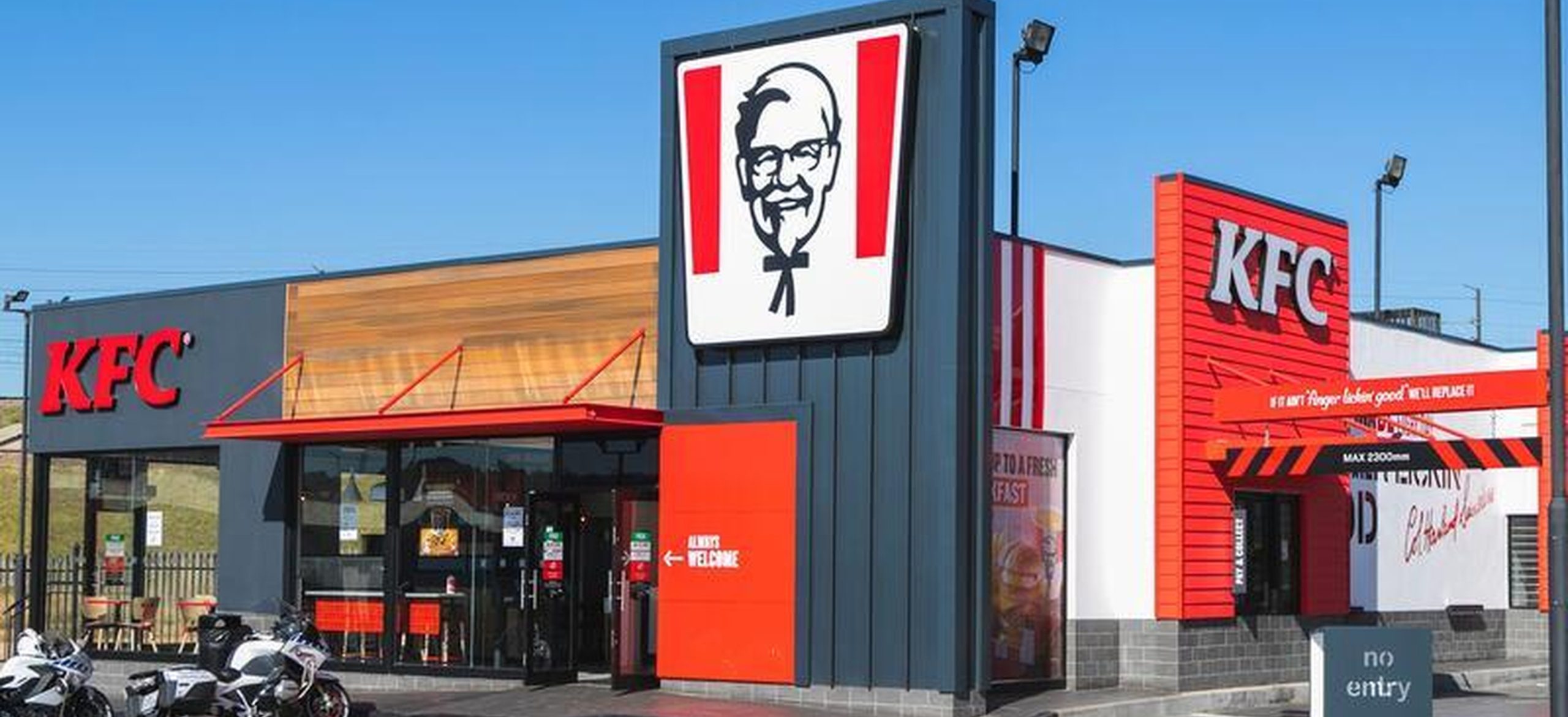
KFC Africa is doubling down on its commitment to South African growth with the launch of KFC: The Next 100, an ambitious initiative calling on property professionals, municipalities, developers and communities to help identify the next wave of restaurant locations.
Building on the success that attracted 1,700 site submissions and reinforced KFC’s role as a catalyst for growth in communities nationwide, The Next 100 is part of KFC’s broader commitment to unlocking opportunity across the continent. While South Africa remains a key growth engine, this initiative reflects a wider ambition to invest in African markets, support regional economic development and create jobs at scale.
“We opened 100 new restaurants across Africa in 2025, and our appetite for growth in South Africa has never been stronger,” says Akhona Qengqe, General Manager of KFC Africa.
“Every new KFC creates an average of 35 direct jobs, upgrades local infrastructure and becomes a hub for community connection. This is nation-building through job creation and economic opportunity.”
KFC: The Next 100 extends last year’s campaign by focusing on curated, industry-informed partnerships with stakeholders who understand what makes sites viable.
“We’re looking for strategic partnerships with property owners, developers, municipalities and retailers who can help us identify locations that will deliver lasting community impact,” says Qengqe.
“But we’re still backing these professional insights with public participation: the R60,000 finder’s fee for successful site recommendations remains on offer for ordinary South Africans who identify locations that lead to opened restaurants.”
Of the 1,700 submissions received in 2025, numerous sites are being pursued, demonstrating the pipeline this public participation creates.
The Next 100 SA targets locations that meet KFC’s proven success formula:
● Drive-throughs: Vacant land of approximately 1,500m² for 180m²–220m² restaurants
● Inline stores: At least 120m²–150m² in high-traffic retail nodes, shopping centres, transit routes and fuel stations
Priority areas include underserved communities, townships and small towns where KFC can bring quality, access and jobs closer to home.
The QSR sector is one of South Africa’s economic bright spots, projected to reach R88 billion this year with annual growth of about 8%. And KFC’s expansion directly addresses youth unemployment, which stands at about 44% for 15 to 34-year-olds.
“Each new restaurant is effectively a jobs programme,” says Qengqe. “We employ and train young people, and give them not just their first pay cheque but a pathway to build careers in a growing sector of the economy.”
Beyond direct employment, every new KFC creates about 100 additional jobs through suppliers, logistics and local service providers. Infrastructure improvements and increased foot traffic benefit entire communities.
KFC: The Next 100 SA prioritises engagement with key industry stakeholders including property developers, municipal planning departments and business forums.
“We’re not asking people to guess where KFC should go,” says Qengqe. “We’re partnering with the professionals who shape South Africa’s commercial landscape and inviting communities to validate and support these strategic decisions.”
South Africans over 18 can submit potential sites here. Property professionals, municipal representatives, developers and community members are encouraged to participate in shaping KFC’s growth trajectory.
For more information about site requirements, selection criteria and the submission process, visit: https://purpose.kfc.co.za.
KFC: The Next 100 is an expansion initiative launched by KFC Africa in May 2026 aimed at identifying 100 new restaurant locations across Africa. The programme invites property professionals, municipalities, developers and communities to submit potential sites for new KFC restaurants. It builds on a 2025 campaign that generated 1,700 site submissions.
KFC opened 100 new restaurants across Africa in 2025. The company is continuing this expansion trajectory with KFC: The Next 100 focused specifically on growth opportunities across the continent.
Each new KFC restaurant creates an average of 35 direct jobs within the restaurant. Additionally, each new restaurant creates approximately 100 additional jobs through suppliers, logistics and local service providers, bringing total job creation to approximately 135 jobs per location.
South Africans aged 18 and over who identify potential sites that lead to opened KFC restaurants receive a R60,000 finder’s fee.
KFC targets two types of locations. Drive-through restaurants require approximately 1,500m² of vacant land to accommodate 180m²–220m² restaurants. Inline stores require at least 120m²–150m² of space in high-traffic retail locations including shopping centres, transit routes and fuel stations.
Priority areas include underserved communities, townships and small towns where KFC can bring quality products, improved access and employment opportunities closer to home.
The 2025 campaign received 1,700 site submissions. Numerous sites from these submissions are currently being pursued by KFC, demonstrating the viability of the public participation pipeline.
Youth unemployment in South Africa stands at approximately 44% for people aged 15 to 34. KFC describes each new restaurant as “effectively a jobs programme”, providing employment, training and career pathways for young people in a growing sector of the South African economy.
The quick service restaurant (QSR) sector is projected to reach R88 billion in 2026, with annual growth of approximately 8%. This positions the QSR industry as one of South Africa’s significant economic bright spots.
South Africans aged 18 and over can submit potential sites through the KFC website at https://purpose.kfc.co.za/people/growth-development/kfc-growth/.The website contains detailed information about site requirements, selection criteria and the submission process.
Property professionals, municipal representatives, developers, retail partners, business forums and community members (across Africa) are all encouraged to participate. The initiative operates on a two-track model: professional partnerships with industry stakeholders and public participation with community submissions.


